



A321XLR Explained: How New Aircraft Could Change Long-Haul Travel
Imagine flying between two distant cities on a smaller, single-aisle aircraft—without needing to connect through a major hub. That is one of the possibilities the Airbus A321XLR is designed to make more practical.
The A321XLR is a long-range version of the Airbus A321neo. It combines the economics of a single-aisle aircraft with the range needed for some long-haul journeys. Airbus says it can fly up to 4,700 nautical miles (about 8,700 km) and has a maximum range flight time of around 11 hours, depending on operating conditions.
For travelers, this could mean more direct route options, different flight schedules and new ways for airlines to connect cities. But the aircraft does not automatically mean cheaper tickets, more comfort or new routes from every country. Those outcomes depend on each airline’s plans and the specific route.
What Is the Airbus A321XLR?
A321XLR stands for Airbus A321 Extra Long Range.
It belongs to the Airbus A320 family, which is known for single-aisle aircraft commonly used on short- and medium-haul routes. The XLR version has been developed to fly farther than earlier A321 models, making some longer journeys possible with a narrowbody aircraft.
Airbus lists the A321XLR’s key capabilities as:
- Range of up to 4,700 nautical miles (8,700 km)
- Typical two-class seating of around 180–220 passengers
- Maximum seating capacity of up to 244 passengers, depending on configuration
- Flight time of up to approximately 11 hours
- Long-haul cabin features that can include full-flat business-class seats, in-flight entertainment and connectivity
The actual passenger experience depends on the airline’s cabin layout, seat choice and onboard services.
Why Is the A321XLR Different From Other Aircraft?
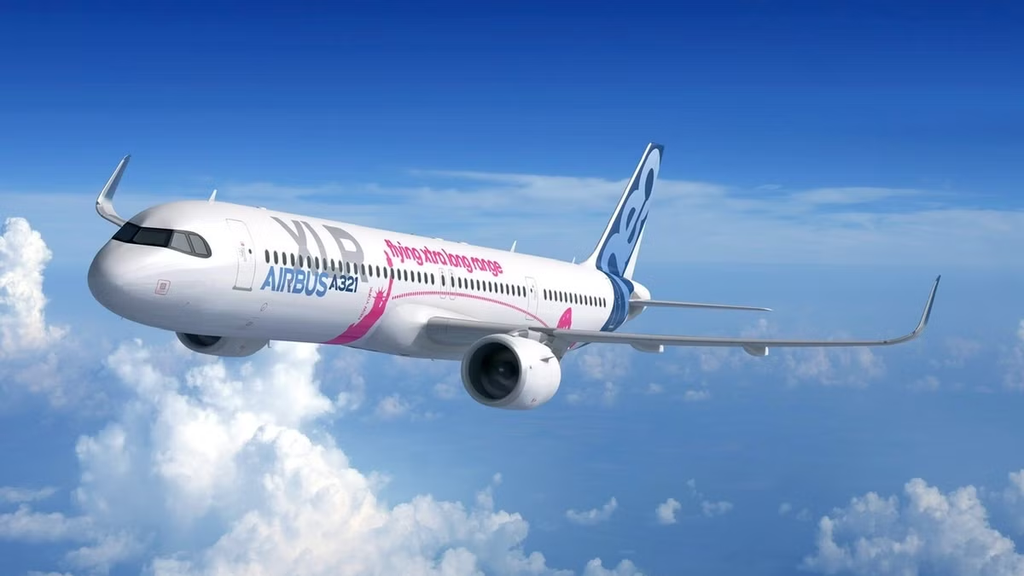
Most travelers are familiar with widebody aircraft such as the Boeing 777, Boeing 787 and Airbus A330, which usually have two aisles and are often used for long-haul flights.
The A321XLR is different because it is a single-aisle aircraft designed for longer distances.
Its extended range allows airlines to consider routes that may not require a larger widebody aircraft or may not have enough demand to support one at a high frequency.
Airbus says the aircraft can help airlines connect primary and secondary cities directly, and can also complement larger aircraft by serving routes during off-peak periods or when demand changes seasonally.
That is the main idea behind the A321XLR: not replacing every long-haul aircraft, but giving airlines another option.
How Could It Change Long-Haul Travel?
1. More Direct Flights Between Smaller Cities
Some long-distance city pairs have enough demand for a few flights per week, but may not need a large aircraft every day.
The A321XLR could make certain routes more practical by allowing airlines to operate smaller aircraft over longer distances.
This may create opportunities for direct flights between cities that currently require passengers to connect through a major hub. Airbus’s 2026 route analysis identifies more than 1,100 potential new route connections, though these are opportunities—not confirmed airline services.
2. More Flight Choices and Frequencies
A smaller aircraft can give airlines more flexibility when matching capacity to demand.
Instead of operating one large aircraft at a particular time, an airline may consider smaller aircraft with different schedules, depending on the route and business case.
For passengers, that could eventually mean more departure-time choices or additional routes. But airlines decide where and how often to fly based on demand, costs, airport access and their wider network.
3. New Options for Long-Distance Journeys
The A321XLR’s range could support some routes that previously needed a larger aircraft or a connection.
Airbus has described possible city-pair opportunities such as New York–Rome, London–Vancouver, Delhi–London and Sydney–Kuala Lumpur. These examples illustrate the aircraft’s capability; they should not be treated as guaranteed or newly launched services.
Does the A321XLR Mean Cheaper Flights?
Not necessarily.
Airbus says the A321XLR can deliver around 30% lower fuel burn per seat compared with previous-generation competitor aircraft. This is an aircraft-performance claim, not a promise that passengers will pay 30% less for tickets.
Airfare depends on many factors, including:
- Demand for the route
- Competition between airlines
- Fuel prices
- Airport and operating costs
- Season and travel dates
- Baggage and fare conditions
- The airline’s pricing strategy
The A321XLR may help airlines operate some routes more efficiently, but ticket prices will still depend on market conditions.
Will It Be Comfortable for Long-Haul Flights?
The aircraft is designed for long-range operations, but comfort varies by airline.
Airbus says the A321XLR can feature its Airspace cabin, wider economy seats, full-flat business-class seats, modern in-flight entertainment and connectivity. Not every airline will install every feature, and seat pitch, seat width and service can differ between operators.
Before booking, passengers should check the aircraft type and cabin layout shown for their specific flight.
What Should Passengers Check?
- Is the aircraft actually scheduled to be an A321XLR?
- What seat configuration does the airline use?
- Is there a business-class cabin?
- Does the ticket include checked baggage?
- What entertainment and connectivity options are available?
- How long is the flight, and what services are included?
An aircraft model alone cannot tell you exactly what your onboard experience will be.
A321XLR vs Traditional Widebody Aircraft
| Feature | Airbus A321XLR | Traditional widebody aircraft |
|---|---|---|
| Cabin layout | Single aisle | Usually two aisles |
| Passenger capacity | Typically fewer passengers | Often higher capacity |
| Route role | Long routes with demand suited to a smaller aircraft | Many long-haul and high-demand routes |
| Airline flexibility | Can suit thinner or seasonal routes | Can serve routes needing more seats or cargo capacity |
| Passenger comfort | Depends on airline configuration | Also depends on airline configuration |
Neither type is automatically better for every journey. The most suitable aircraft depends on the route, schedule, airline and passenger needs.
What Does the A321XLR Mean for Pakistani Travelers?
For travelers from Pakistan, the A321XLR is worth watching because it may give airlines more options when planning international routes.
In the future, airlines could consider some longer routes using smaller aircraft, depending on demand and operational requirements. However, there is no guarantee that a particular direct route from Pakistan will be introduced simply because the aircraft has the range to operate it.
If you’re planning an international journey, focus on the actual flight options available for your dates rather than choosing based on aircraft announcements alone.
Before booking, check:
- Whether the route is currently operating
- Which airline operates the flight
- Whether the itinerary is nonstop or connecting
- The scheduled aircraft type
- Baggage allowance and fare conditions
- Total journey time and transit requirements
Airline schedules and aircraft assignments can change, so confirm the details close to departure.
Is the A321XLR Already in Service?
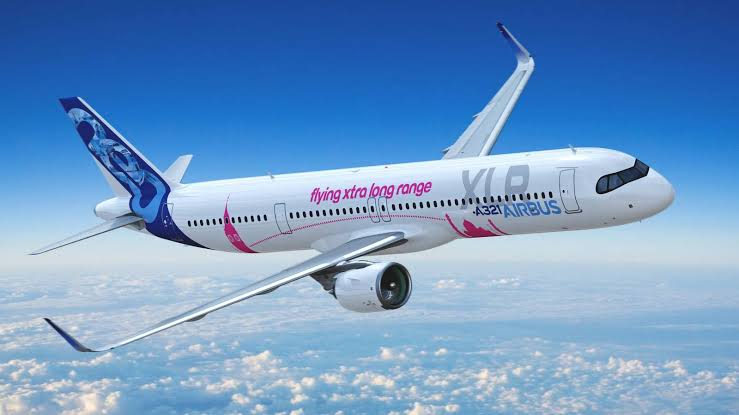
Yes. The A321XLR has entered airline service.
Iberia received the first A321XLR in October 2024 and planned to use it for European operations before its first transatlantic service from Madrid to Boston.
Air Canada received its first A321XLR in April 2026. Airbus said the aircraft would support the airline’s network expansion and allow it to serve certain transatlantic routes from Montreal and Toronto.
Wizz Air also received its first A321XLR in May 2025, becoming the first European low-cost operator of the type.
These examples show that the aircraft is already being introduced by airlines, while its wider route impact will depend on fleet deliveries and airline planning.
How GlobeTrek Pros Can Help

New aircraft can create more possibilities for international travel, but choosing a flight still requires checking the full itinerary.
GlobeTrek Pros can help Pakistani travelers compare available routes, review flight schedules and understand ticket conditions for their planned journey.
Whether you’re traveling for business, a family holiday or an international tour, the important thing is to choose a flight that suits your destination, dates and travel requirements—not just the aircraft name.
The Airbus A321XLR is designed to make some long-distance routes possible with a single-aisle aircraft.
Its extended range could give airlines more flexibility to connect cities directly, adjust flight frequencies and serve routes that may not need a larger widebody aircraft. But it won’t automatically make every long-haul journey cheaper or more comfortable.
For travelers, the key is to watch for actual airline route announcements and available schedules, then compare the complete flight experience before booking.
As more airlines introduce the A321XLR, it may become an increasingly familiar option on selected long-distance routes.
